
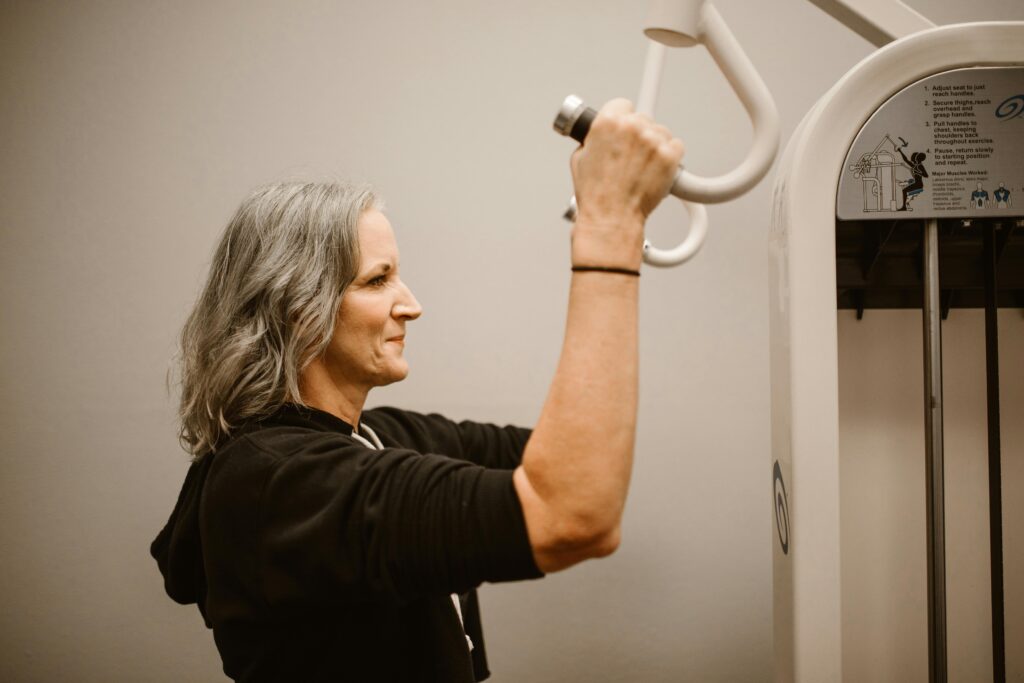
Beginner-Friendly Routine
The narrative that aging is a slow, inevitable slide into physical frailty is one of the most damaging myths in modern health. For many years, we were told that after the age of 50, our “muscle-building days” were behind us and that we should focus solely on light walking or perhaps a bit of gardening.
The science tells a different story. While our bodies change, the biological machinery required to grow stronger and more resilient remains remarkably intact. Whether you are 52 or 75, your muscles are still capable of adaptation. This guide is your roadmap to reclaiming your strength, boosting your metabolism, and building a body that can withstand the test of time safely.
1. The Hidden Thief: Understanding Sarcopenia and Longevity
By the time you reach 50, you may have already noticed that tasks which once felt effortless—carrying heavy groceries or climbing three flights of stairs—now require a bit more “omph.” This isn’t just “getting older”; it’s often the result of sarcopenia.
Sarcopenia is the age-related loss of skeletal muscle mass and strength. Statistics show that after the age of 30, adults lose between 3% and 8% of their muscle mass per decade. Once you cross the 60-year mark, that rate of decline often accelerates. By age 80, many individuals have lost nearly 50% of the muscle mass they had in their twenties.
Why does this matter for longevity? Muscle is much more than a tool for movement; it is your body’s largest metabolic organ.
- Metabolic Health: Muscle tissue is highly active. The more muscle you have, the higher your resting metabolic rate, which helps prevent age-related weight gain and Type 2 diabetes.
- Fall Prevention: Strength training over 50 is the single best insurance policy against falls, which are a leading cause of injury-related death in older adults.
- Bone Density: When you challenge your muscles, you also challenge your bones. Strength training signals the body to increase bone mineral density, fighting off osteoporosis.
Building muscle after 50 isn’t about vanity; it’s about maintaining your independence and “healthspan”—the portion of your life spent in good health.
2. The Science: Why Building Muscle is Possible (and Essential) After 50
A common concern is: “Can I actually grow muscle now?” The answer is a resounding yes. While your hormonal profile is different than it was at 25—with lower levels of growth hormone and testosterone (or estrogen)—the process of Muscle Protein Synthesis (MPS) still works.
Research consistently shows that older adults can achieve significant hypertrophy (muscle growth) and strength gains. However, the “rules” of the game shift slightly in three key areas:
Anabolic Resistance
As we age, our muscles become slightly less sensitive to the signals that trigger growth. This is known as anabolic resistance. To overcome this, we need a slightly higher “dose” of protein and a more consistent stimulus from resistance training compared to a younger person.
Recovery Windows
While a 20-year-old might recover from a grueling workout in 24 hours, a 55-year-old might need 48 to 72 hours. This doesn’t mean you’re “weak”; it means your body is more calculated with its repairs. Respecting this recovery window is how you prevent the overuse injuries that sideline most beginners.
Hormones and Inflammation
Strength training helps regulate cortisol (the stress hormone) and reduces systemic inflammation. By engaging in a safe muscle-building routine, you are essentially “biohacking” your internal chemistry to create a more youthful environment.
3. The 4-Week Beginner Home Workout Routine
This routine focuses on strength training over 50 using a full-body approach. We will exercise three days per week (e.g., Monday, Wednesday, Friday), allowing for full recovery days in between.
The Dynamic Warm-Up (5–8 Minutes)
Never skip the warm-up. Cold tendons are brittle tendons.
- Arm Circles: 15 forward, 15 backward.
- Leg Swings: 10 per leg (holding a chair for balance).
- Torso Twists: 15 reps (slow and controlled).
- Marching in Place: 2 minutes to get the heart rate up.
The Exercises
1. Squats (Target: Quads, Glutes, Core)
- The Move: Stand with feet shoulder-width apart. Sit back into an imaginary chair. Keep your chest up.
- Level 1 (Beginner): Sit-to-Stand from a sturdy chair.
- Level 2 (Intermediate): “Air Squats” without the chair.
- Sets/Reps: 3 sets of 10–12 reps.
- Rest: 60 seconds.
2. Wall Push-Ups or Knee Push-Ups (Target: Chest, Shoulders, Triceps)
- The Move: Place hands on a wall at shoulder height. Lean in and push back.
- Progression: As you get stronger, move to a kitchen counter, then eventually the floor on your knees.
- Sets/Reps: 3 sets of 8–10 reps.
- Rest: 60 seconds.
3. Banded Rows or Dumbbell Rows (Target: Upper Back, Biceps)
- The Move: If using a band, wrap it around a doorknob. Pull the handles toward your hips, squeezing your shoulder blades.
- Sets/Reps: 3 sets of 12 reps.
- Rest: 60 seconds.
4. Glute Bridges (Target: Glutes, Lower Back)
- The Move: Lie on your back, knees bent. Lift your hips toward the ceiling. Squeeze at the top.
- Sets/Reps: 3 sets of 15 reps.
- Rest: 45 seconds.
5. Bird-Dog (Target: Core Stability, Balance)
- The Move: On all fours, extend your right arm forward and left leg backward simultaneously. Hold for 2 seconds. Switch sides.
- Sets/Reps: 2 sets of 10 reps per side.
- Rest: 45 seconds.
The 4-Week Progression Plan
- Week 1: Focus entirely on form. Do not worry about “intensity.” Get the movements to feel smooth.
- Week 2: Increase the “effort.” You should feel like you could only do 2 more reps at the end of each set.
- Week 3: Add resistance. If using dumbbells, use a slightly heavier pair. If using bands, use a thicker one.
- Week 4: Maintain intensity but focus on “tempo”—take 3 seconds to lower the weight and 1 second to push it up.
Here you’ll see a video that will help you and teach you how to do it properly having in mind to protect and manage safety first.
4. Nutrition: Fueling the “Engine”
Building muscle after 50 is 50% what you do in the gym and 50% what you put on your plate.
Protein is Non-Negotiable
To overcome anabolic resistance, you need more protein than the average sedentary person. Aim for 1.2 to 1.5 grams of protein per kilogram of body weight (roughly 0.7g to 1g per pound).
- The Protein Threshold: Research suggests that for older adults, having at least 25–30 grams of protein per meal is necessary to “flip the switch” for muscle growth.
- Best Sources: Greek yogurt, lean poultry, wild-caught fish, eggs, and lentils.
Timing and Supplements
- Post-Workout: Consume a protein-rich snack or shake within 60 minutes of your workout.
- Creatine Monohydrate: This is one of the most researched and safe supplements for the 50+ demographic. It aids in muscle recovery and has shown potential benefits for brain health.
- Hydration: Muscle tissue is mostly water. Aim for half your body weight (in pounds) in ounces of water daily.
5. Injury Prevention and Recovery Strategies
Safe muscle building after 55 requires a “safety-first” mindset.
The Rule of “Pain vs. Discomfort”
Muscle burning is good. Joint “stinging” or “pinching” is bad. If an exercise hurts your joints, stop immediately and find a modification.
Sleep: The Growth Phase
You don’t build muscle while you exercise; you build it while you sleep. Aim for 7–9 hours of quality sleep. This is when your body releases the repair hormones needed to fix the micro-tears created during your workout.
Mobility Work
Incorporate 10 minutes of stretching or basic yoga on your “off” days. Focus on hip mobility and shoulder flexibility, as these areas tend to stiffen with age and can lead to poor exercise form.
6. Recommended Gear for Your Home Journey
To make your beginner workout routine over 50 effective, you don’t need a massive home gym, but a few key pieces of equipment can accelerate your results.
- Adjustable Dumbbells: Look for a set like the Bowflex SelectTech 552. They replace 15 sets of weights, allowing you to increase resistance gradually as you get stronger without cluttering your living room.
- Resistance Bands: A set of “loop” bands or bands with handles (like those from Fit Simplify) is excellent for adding resistance to rows and squats while being very gentle on the joints.
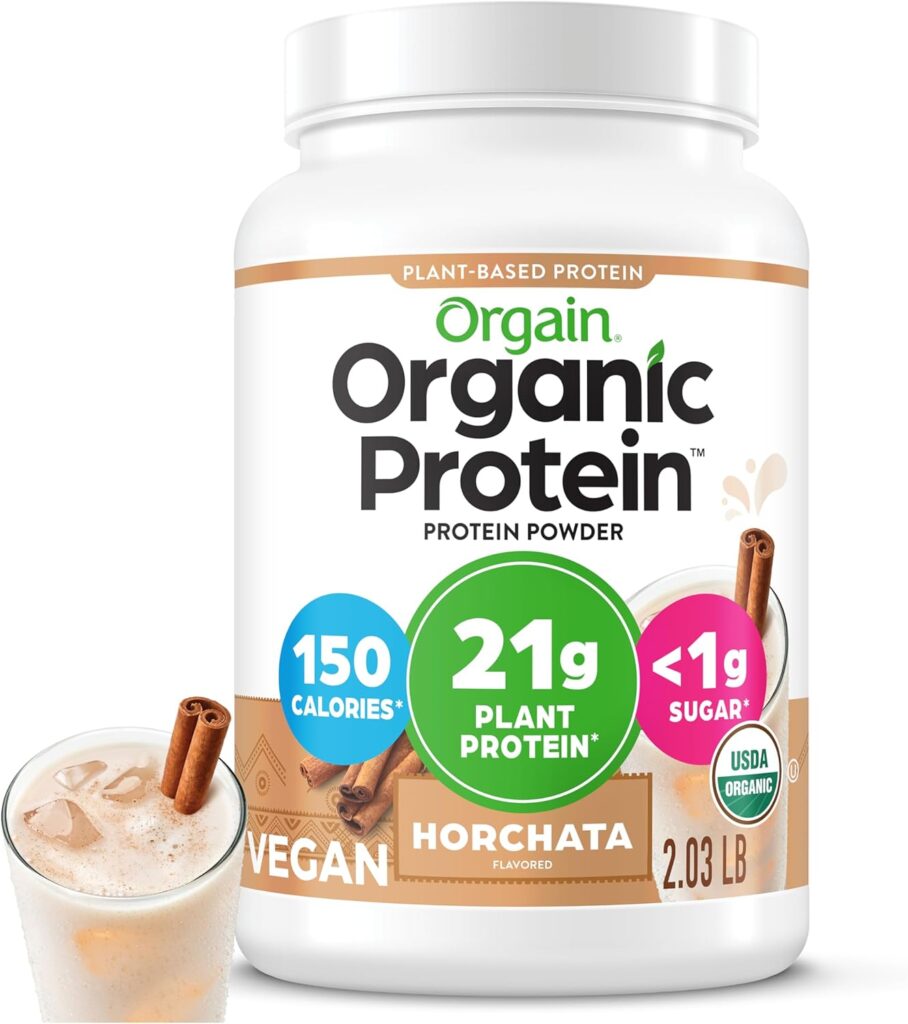
- High-Quality Protein Powder: If you struggle to hit your protein goals, a clean Whey Isolate or a high-quality plant-based protein (like Garden of Life) can be a convenient way to ensure your muscles have the building blocks they need.
7. FAQ: Strength Training Over 50
Q: Is it too late to start if I’m 65 or 70? A: Never. Studies have shown that even individuals in their 90s can increase muscle mass and improve their mobility through resistance training.
Q: Should I do cardio or weights first? A: If your goal is building muscle, do your strength training first when your energy levels are highest. Save the walking or cycling for afterward.
Q: How long before I see results? A: You will likely feel “stronger” and more energetic within 2 weeks due to neural adaptations. Visible muscle changes typically take 8 to 12 weeks of consistency.
Q: Will I get “bulky”? A: No. Building significant “bulk” requires an extreme surplus of calories and very high-volume training. You will likely just look firmer and more toned.
Q: My knees click when I squat. Should I stop? A: If there is no pain, clicking is usually just air moving in the joint (crepitus). However, if it’s accompanied by sharp pain, consult a physical therapist.
Q: Do I need to go to a gym? A: Not at all. The home routine provided here is sufficient to build significant strength and health.
Q: Can I do this every day? A: No. Your muscles need the “off” days to repair. 3 to 4 days a week is the “sweet spot” for most adults over 50.
Q: What if I have arthritis? A: Strength training is actually one of the best treatments for arthritis, as stronger muscles take the pressure off your joints. Just ensure you move through a pain-free range of motion.
8. Conclusion: Your Future Self Will Thank You
The decision to start strength training over 50 is one of the most impactful choices you can make for your future. It is the difference between an old age defined by limitations and one defined by adventure, mobility, and vitality.
Remember, you aren’t competing with the 20-somethings at the gym. You are competing with your own yesterday. Start small, be consistent, and listen to your body. You have the power to age stronger.
Next Step: Commit to Day 1 of the warm-up and the “Sit-to-Stand” squats tomorrow morning. Your journey to a stronger, more resilient you starts with that first rep.
DISCLAIMER: This article is for informational purposes only and is not a substitute for professional medical advice. Consult your physician before starting any exercise program.
Learn how to boost you energy.